CeraVe Quizzes
Find Your Acne RoutineThe essential parts of an effective acne routine
Identify your acne
Use effective ingredients
Connect With a Derm
-
Identify your acne
Identify your acne
Acne isn't one-size-fits-all. Correctly identifying your specific type is crucial to building an effective skincare routine. Common forms of acne are blackheads, whiteheads, pimples, papules, nodules, and cysts. -
Use Effective Ingredients
Use effective ingredients
No matter what kind of acne is present, an effective and consistent routine is essential for successfully treating acne-prone skin. Routines with benzoyl-peroxide, ceramides, retinol, and salicylic acid are proven to be effective treatments for acne. -
Connect With a Derm
Connect With a Derm
Acne care can be confusing, and results from treatments can greatly vary. Connect virtually or schedule an in-person appointment with a board-certified dermatologist to build an effective skincare routine for you.Find a derm
The steps of an effective routine for acne-prone skin
Cleansing advice for acne-prone skin
Do’s
Regularly cleanse skin with acne face wash
Cleansing your skin in the morning and in the evening is important to help keep skin clear of new whiteheads or blackheads, prevent new acne blemishes, and minimize clogged pores from trapped oil, dirt, or sweat.
Cleanse skin after exercise
Although sweat does not directly cause acne, it’s important to cleanse skin after exercise to keep pores clear and prevent new blemishes from forming.
Wash your hands before cleansing your face
Make sure hands are free of oil or dirt before cleansing your face to ensure pores stay free of congestion.
Don't's
Wash your face more than twice a day
Using harsh ingredients too often or washing skin too frequently can trigger sensitive skin, further blemishes, or blemishes. To keep skin clean, wash your face once in the morning and once at night.
Apply makeup to unwashed skin
Applying makeup without cleansing your face can lead to trapped bacteria, causing the formation of new blemishes. Additionally, it’s important to keep makeup brushes clean to prevent further breakouts.
Choose the wrong formula for acne-prone skin
To make sure your routine is an effective option for your skin type, always make sure to read the label of your product. Often, products are labeled with what type of skin condition the ingredients are targeting.
Treatment do’s and don’ts for acne-prone skin
Do’s
Use AHA’s and BHA’s
Alpha-hydroxy acids (AHAs) and beta-hydroxy acids (BHAs) can be effective in an anti-acne routine as they offer gentle exfoliation that promotes cell turnover, helping to keep skin clear and smooth. Try CeraVe’s BHA Exfoliating Acne Toner with 3 essential ceramides and 2% salicylic acid to unclog pores and smooth skin texture.
Apply an acne treatment gel regularly
An acne gel can be effective for treating acne as it provides a targeted defense against new blemishes from forming while hydrating skin.
See a dermatologist if conditions persist
Effectively treating some types of acne may require a professional opinion. Connect or meet with a board-certified dermatologist to find a routine that works for your skin and needs.
Don't's
Pick at blemishes
Instead of picking, try CeraVe’s Blemish Barrier Patches, the only patches with 3 essential ceramides and niacinamide to soothe skin and help restore the protective skin barrier.
Keep products that touch your face clean
Cell phones, face clothes, and makeup brushes should be washed frequently to help reduce the spread of bacteria that leads to blemishes.
Overuse treatments
Exfoliating too frequently or over-applying acne treatments may seem effective, but it can actually dry out the skin and may trigger sensitive skin or further blemishes.
Moisturizing do’s and don’ts for acne-prone skin
Do’s
Use soothing, oil-free ingredients in your routine
Excess oil can lead to clogged pores, excessive shine, or a dull appearance. To encourage clear, healthy skin, choose products that use soothing ingredients without oil.
Use a moisturizer with three essential ceramides
One of the most important parts of maintaining healthy skin is ensuring the skin barrier stays intact. Ceramides are an effective method to help support and maintain your skin’s moisturize barrier.
Use non-comedogenic moisturizers
Non-comedogenic products refer to formulas made with ingredients that do not clog pores. All of CeraVe’s products are made with non-comedogenic formulas to help support an acne-fighting routine.
Don't's
Apply moisturizer to dry skin
Maximize hydration in skin by applying moisturizer to clean, slightly damp skin right after cleansing.
Moisturize less or more than twice a day
A consistent routine is a crucial part of treating acne-prone skin. Always complete the steps of your routine once in the morning and once at night to hydrate skin.
Apply too much moisturizer
Applying the correct amount of moisturizer is important for sufficiently hydrating skin without clogging pores or wasting product.
Sunscreen do’s and don'ts for acne-prone skin
Do’s
Apply sunscreen every day
Sun protection is an essential part of any effective skincare routine, especially for acne-prone skin as sun damage can impact the skin’s ability to resist acne-causing bacteria.
Reapply sunscreen throughout the day
Maintain sun protection throughout the day by reapplying sunscreen every two hours and especially after swimming or sweating.
Don't's
Skip sunscreen on shady days
UV rays can penetrate glass windows and clouds, so it’s important to wear sunscreen even on days that are cloudy or spent indoors. Always wear sunscreen as part of your morning routine to prevent sun damage.
Use sunscreen less than 30 SPF
The American Academy of Dermatology and the Skin Cancer Foundation both recommend using a minimum of 30 SPF for daily sun protection against skin cancer and early signs of aging.
Expose sensitive skin to too much sun
Prevent sun damage while outdoors during peak hours by wearing protective clothing such as wide-brimmed hats, sunglasses, or long-sleeved shirts during peak hours.
Find the Right Acne Product for You
| Skin Type | Concern | Key Benefits | Key Ingredients | Texture | ||
|---|---|---|---|---|---|---|
| Acne Foaming Cream Wash |
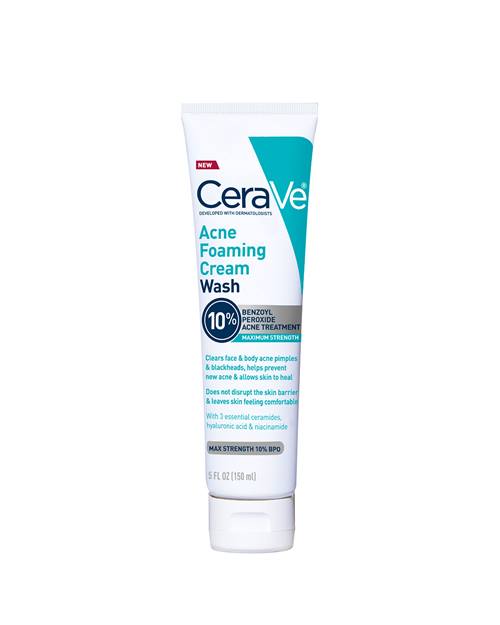
Acne Foaming Cream Wash
|
Acne-Prone Skin | Active Acne Breakout |
|
Benzoyl Peroxide, Hyaluronic Acid, Niacinamide, Ceramides
|
Lightly-Foaming, Creamy Texture |
| Acne Foaming Cream Cleanser |
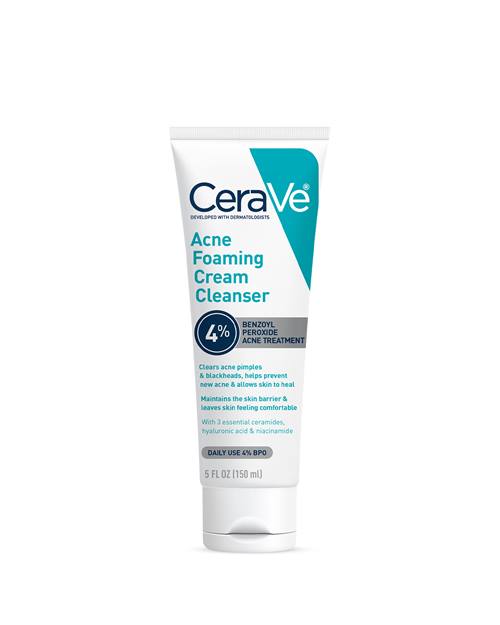
Acne Foaming Cream Cleanser
|
Acne-Prone Skin | Active Acne Breakout |
|
Ceramides, Benzoyl Peroxide, Hyaluronic Acid, Niacinamide
|
Foaming Cream |
| Acne Control Cleanser |
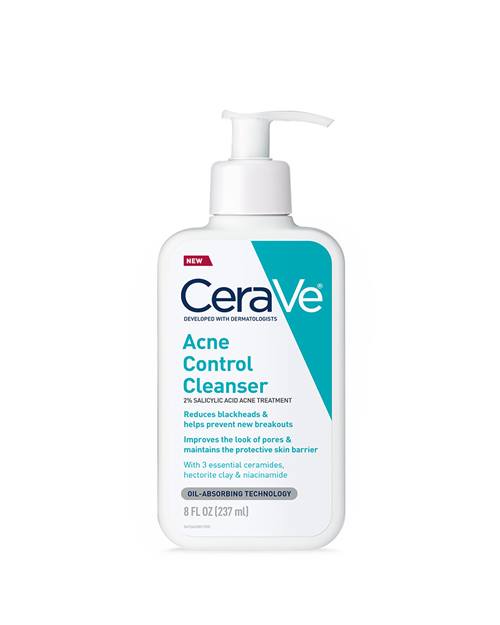
Acne Control Cleanser
|
Acne-Prone Oily Skin | Acne |
|
Salicylic Acid, Niacinamide, Ceramides
|
Gel-to-Foam |
| Acne Control Gel |
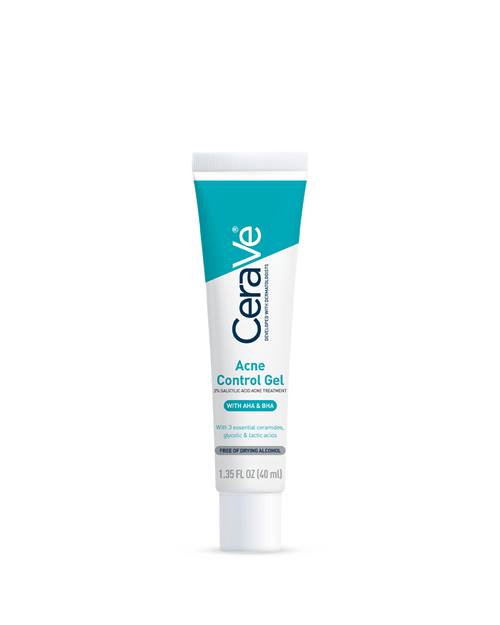
Acne Control Gel
|
Acne-Prone Oily Skin | Acne |
|
Ceramides, Niacinamide, Salicylic Acid, Glycolic Acid, Lactic Acid
|
Lightweight Gel |
| Resurfacing Retinol Serum |
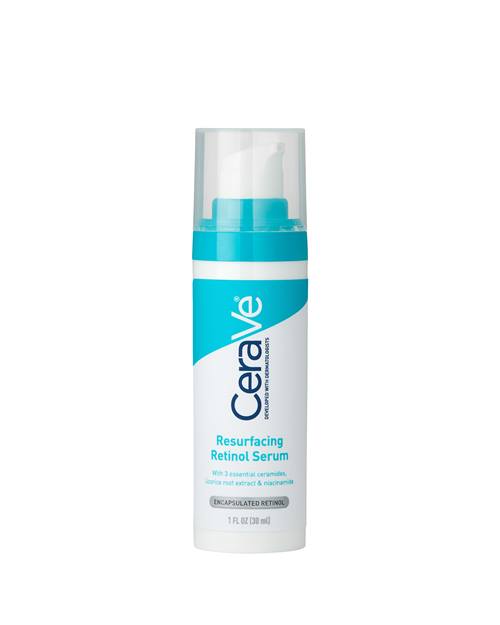
Resurfacing Retinol Serum
|
Post-Acne Skin | Post-Acne Skin |
|
Retinol, Niacinamide, Ceramides
|
Serum |
Frequently Asked Questions
-
What causes acne?
Acne develops when pores become clogged with sebum, dead skin cells, or bacteria. Some skin types, like oily skin, can also contribute to the formation of acne. Other factors that can contribute to or worsen acne include family history of acne, humid weather conditions, hormonal fluctuations, and improper skincare practices (like picking at your skin). Using greasy, pore-clogging cosmetics can also lead to breakouts in some cases. -
What are the different types of acne?
The most common types are blackheads, whiteheads, pimples, papules, nodules, and cysts. Comedonal acne (blackheads and whiteheads) develop when your pores become clogged with oil and dead skin cells. When bacteria enters a clogged pore, more stubborn forms of acne like pimples, pustules, and nodules may form. Finally, cystic acne can also occur. This type of acne causes pus-filled cysts to develop deep in your skin and generally requires a dermatologist to treat effectively. -
Which skincare ingredients are best in anti-acne skincare routine?
Two of the most common ingredients for acne care are salicylic acid and benzoyl peroxide. Salicylic acid is a beta-hydroxy acid that gently exfoliates while helping to improve the appearance of acne. Benzoyl peroxide targets bacteria to diminish the appearance of acne blemishes. -
Can body acne be treated?
Yes, body acne is a treatable condition that can improve with a consistent routine using a targeted cleanser and moisturizer twice a day, along with incorporating exfoliation and purifying steps in your body care routine.